How CHASE venture is breaking down barriers: Northumbria University
There are research centres that produce papers, and there are research centres that change lives. The Centre for Health and Social Equity – CHASE – at Northumbria University was built to be the latter, and is spearheading work to bring organisations together and break down barriers across the region. Here, Professor Allan Kellehear, one of the centre’s lead directors, tells N magazine about CHASE’s social justice mission and how some of the partnerships it has founded are making a real difference in Gateshead.
May 8, 2026
Northumbria University
www.northumbria.ac.uk
LinkedIn: Northumbria University
The inequalities that define life chances in this region are the product of decades of underinvestment and the uneven distribution of national resources.
From poor health outcomes, constrained social mobility and communities cut off from opportunity – CHASE exists to do something about them.
CHASE is an exciting new innovation; it is a research centre like no other.
It brings together solutions-focused researchers from across several disciplines – nurses, engineers, social workers, policy influencers, public health practitioners, business academics and more – who are united by a single conviction: that we all deserve better, and that we will all benefit from a healthy, prosperous, caring society that leaves no-one behind.
With three key areas of focus, we work to address the social determinants of health and wellbeing; build community capacity and resilience; and enable equitable access to health and social care.
We do this through bringing our multi-skilled team of experts together to form partnerships with NHS trusts, local authorities, businesses and third sector organisations.
Supporting those reaching the end-of-life
As a researcher specialising in end-of-life care, I see first-hand where we can improve support, educate, inform and create partnerships that improve lives.
The Compassionate Gateshead project began with a sobering observation that there was a major gap for people living with, or caring for, those with life-limiting illnesses in the town, as well as those grieving a loss.
“As a community palliative care consultant, I see how low death literacy and discomfort discussing death shape experiences of dying, loss and grief”
Dr Elizabeth Woods, palliative care doctor and programme leader
When people living in these circumstances were not in direct contact with professionals, they had little practical support.
That gap needed to be closed.
Through CHASE, we have brought together Gateshead Council, NHS palliative care doctors, community organisations, charities, artists and writers to create social infrastructure where there had been almost none.
This infrastructure has included better transport, better communication about death and dying, better understanding and better services.
A Festival of Compassion brought these vital conversations into focus to support and educate our communities, our schools and our workplaces.
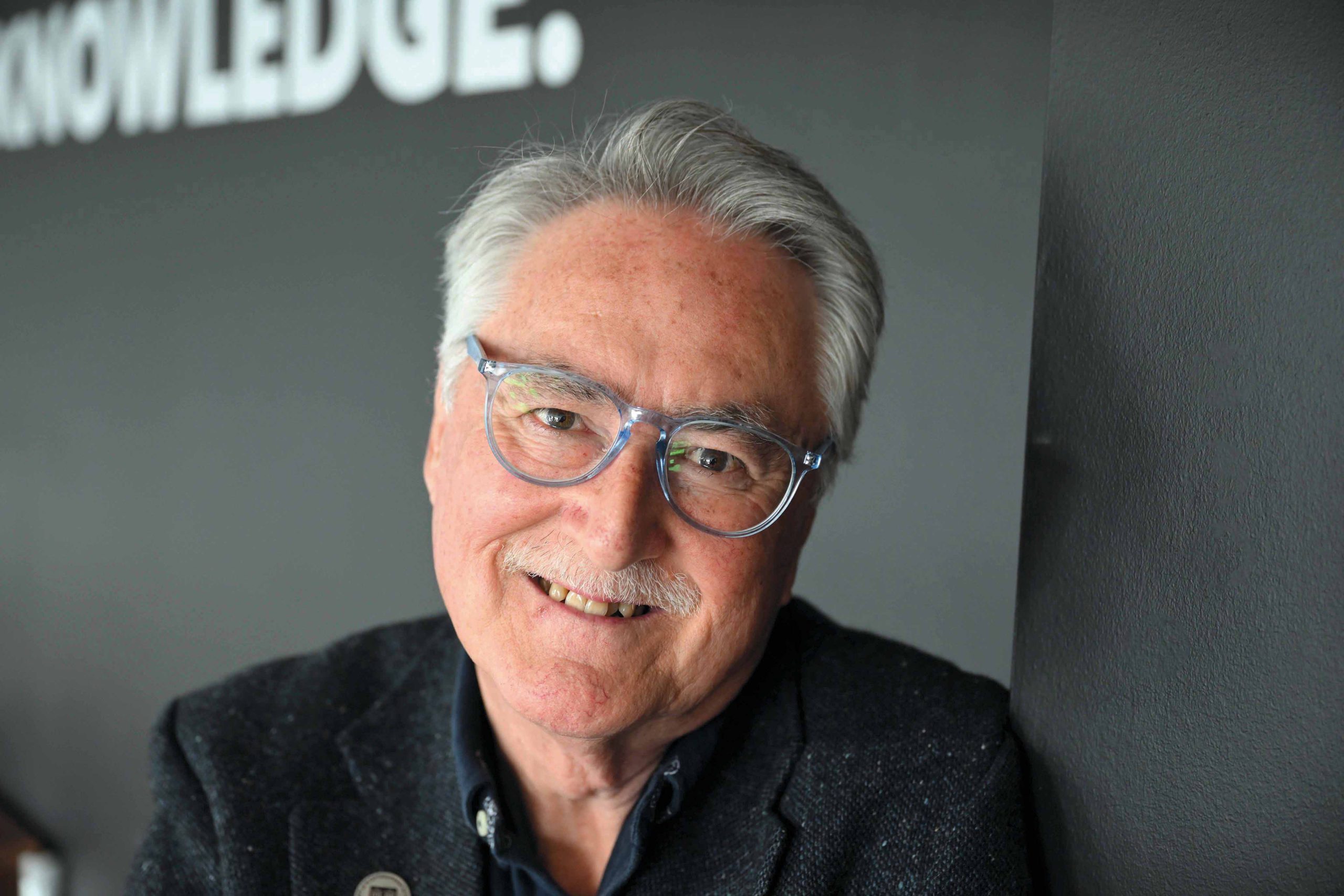 Professor Allan Kellehear
Heating our homes more sustainably
Another example of research benefiting the Gateshead community and the wider environment comes from our work with local authorities and housing organisations to ensure decisions about people’s homes are also understood as decisions about health and wellbeing.
“Working with Northumbria University is giving Gateshead Council a unique opportunity to address one of the most critical challenges in energy transition: social acceptance”
Matthew Jordison, Gateshead Council energy operations team leader
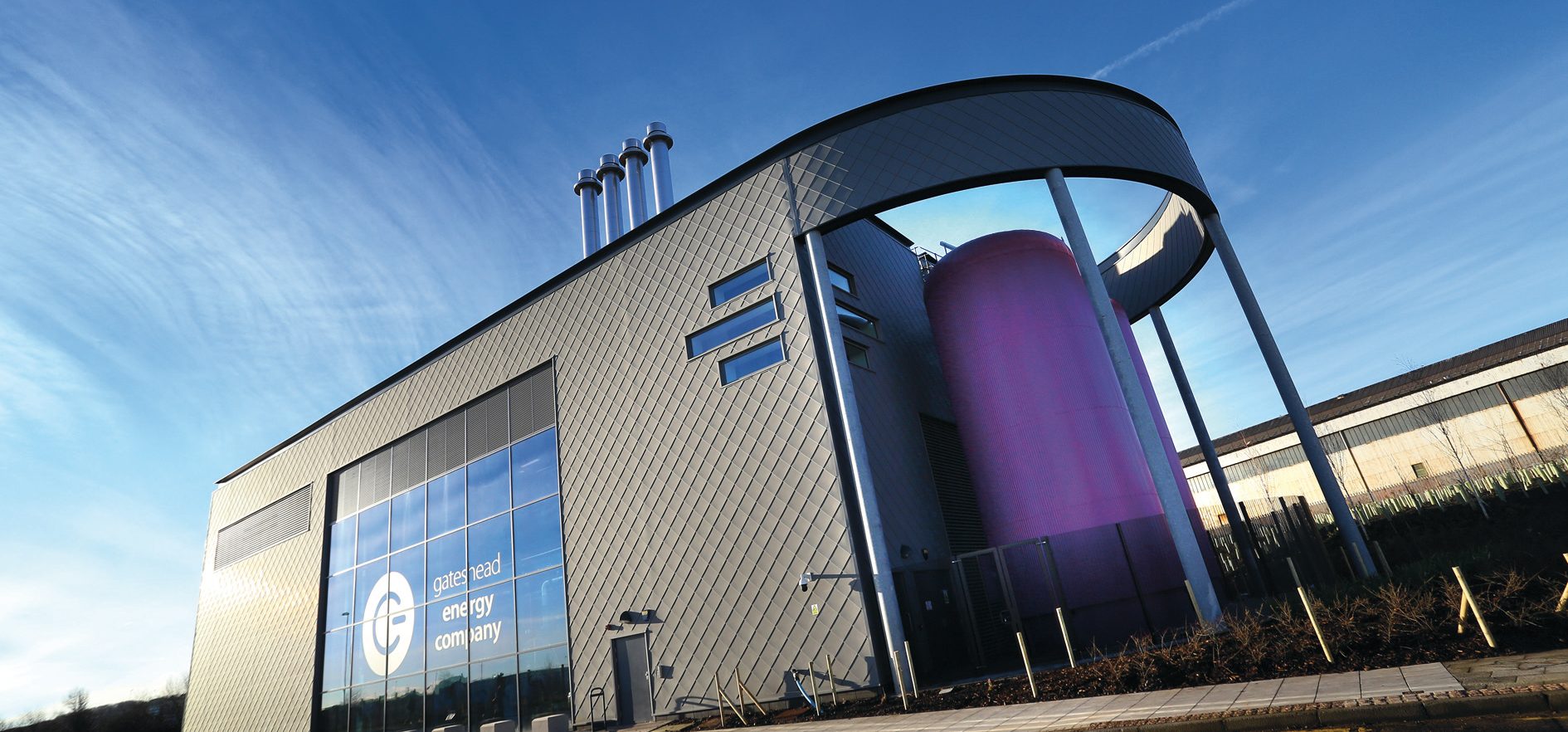
When Gateshead Council wanted to connect social housing residents to its mine water district heat network – a first-of-its-kind expansion in England – the challenge was never purely technical.
The council needed to ensure residents fully understood why the work was important, and that they would engage with – and adopt – this new way of heating their homes.
Through behavioural science research, we listened carefully to what residents needed long before the installation process even began, and our recommendations shaped how work could – and should – be done.
The result was that every household identified as being suitable for the pilot programme agreed to connect to this new heat network.
The residents felt engaged, informed and were eager to utilise this new technology.
Improving lives across the North East
Both examples powerfully demonstrate the impact we can have when we work with our communities and listen to their needs.
This is the emotional work that CHASE does. It is woven through our DNA.
Through CHASE, Northumbria University is providing a practical tool that businesses, local government and third sector organisations can use to address social equity issues and improve economic and community development.
The North East is a region of extraordinary people.
We have already made a real difference to the lives of people in Gateshead, and we are looking forward to doing more.
The practical wisdom we are developing here can – and will – be rolled out across the region to bring civic improvement and benefit for our communities.
To find out more about the Centre for Health and Social Equity, and to learn how your business could help widen impact and value across the North East, email Professor Allan Kellehear, lead director, at [email protected]
Alternatively, visit www.northumbria.ac.uk/chase
May 8, 2026
- Promoted