Roundtable: Shaping the future of rural Northumberland
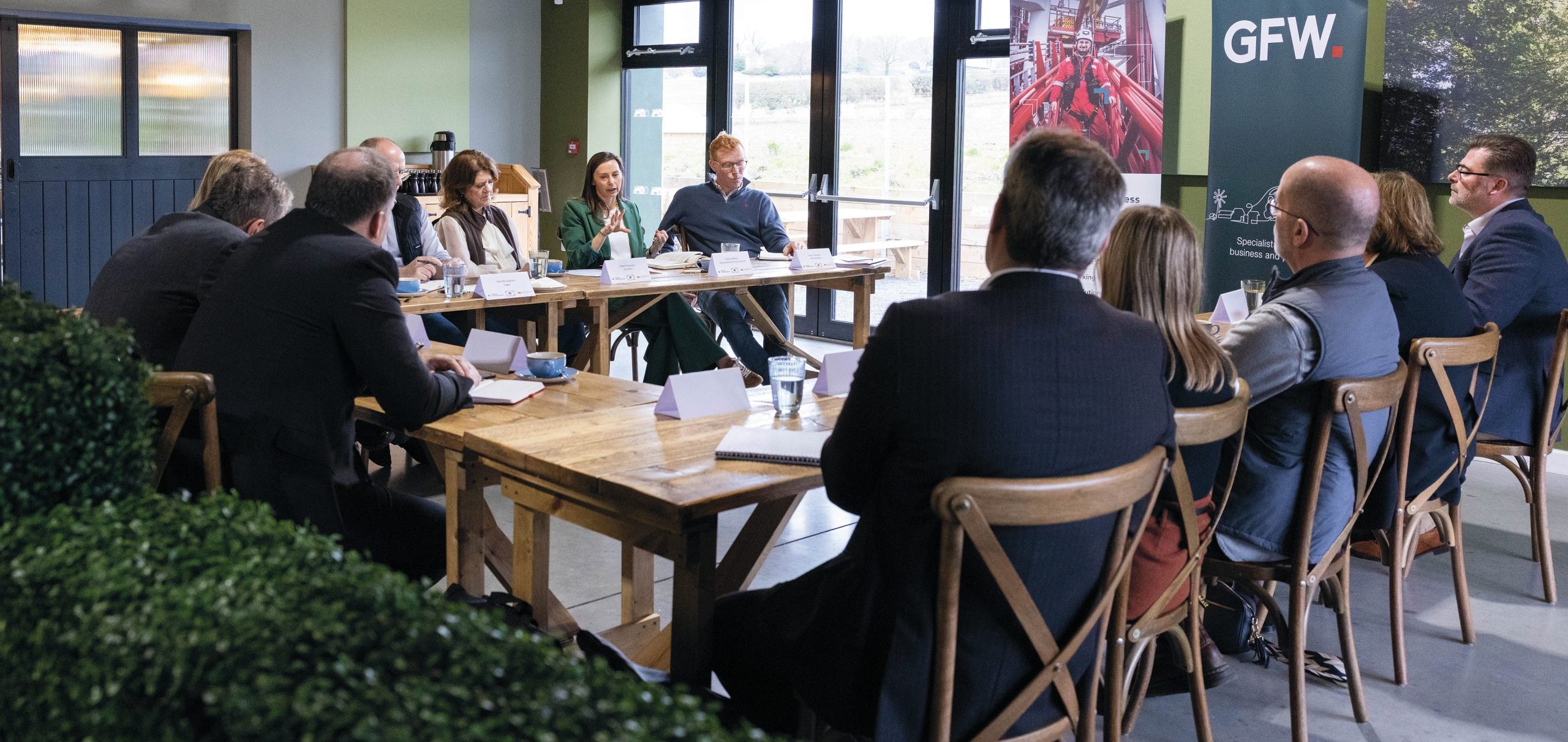
Delivering a new industrial and economic future for England’s northernmost county. From Berwick to Blyth and Haltwhistle to Kielder, Northumberland’s rural economy is rooted in land, yet increasingly shaped by innovation, collaboration and enterprise. Here, in an exclusive roundtable discussion held at Brocksbushes Farm Shop – hosted by N magazine publisher NET alongside Northumberland County Council, GFW and Lycetts – business leaders and policymakers examine where England’s most sparsely populated county stands in 2026, and whether policy and investment are keeping pace with the county’s economic potential.
May 8, 2026
Photography by Lauren Peters (The Bigger Picture Agency)
Where does rural Northumberland stand in 2026 – and is policy keeping pace?
From globally exporting timber processors and distilleries to family farms, tourism operators and micro-enterprises rooted in scattered communities, Northumberland’s economic diversity is both a defining strength and an ongoing challenge.
Bringing coherence to such an eclectic mix is no small task, but it is a role Business Northumberland is seeking to play.
Through programmes such as the Northumberland Small Business Service, the Farming Advisory Service and rural growth initiatives backed by the North East Combined Authority, it provides a gateway to funding, advice and support.
Sarah McMillan, director of economic development and growth at Northumberland County Council, said: “Our economic strategy recognises the importance of our rural economy and rural communities.
“It builds on a strong evidence base about how that economy works – and on the investment we’ve already made.”
Among those programmes, Sarah highlighted the Borderlands Inclusive Growth Deal – a ten-year programme bringing sustained capital investment into rural towns and cultural assets on both sides of the border.
Reflecting on the £17 million Environment, Rural and Coastal Investment Plan, led by Northumberland County Council and agreed by the North East Combined Authority in 2024, Rosie Thomas, director of business development at Northumberland National Park, praised what she described as a genuinely collaborative process.
She said: “You can sit in consultations and feel like someone else is holding the pen.
“With this one, though, it genuinely felt like the pen was jointly held.”
The theme of adaptation was highlighted by Barbara Huddart, managing director at Glendale PR and head of marketing at Bedmax.
The Detchant-based manufacturer supplies bedding products to the equestrian and racing industries, but has diversified beyond traditional wood shavings into straw pellets and biomass fuel products in recent years.
She said: “Export has grown hugely, and we now supply into Europe, Australia and Asia.
“Opportunities are growing, but the market is changing – and we have to change with it.”
In a county home to vast swathes of productive woodland, forestry remains a key pillar of the rural economy.
“Opportunities are growing, but the market is changing – and we have to change with it”
Barbara Huddart
Bedmax head of marketing and Glendale PR managing director
However, Max McLaughlan, forestry director and head of wood purchasing at EGGER UK – which employs more than 600 people at its Hexham plant – said the sector faces mounting structural pressures.
Referencing a 15 per cent reduction in productive forest in England over the past decade, Max added: “We are eroding our own capacity at a time when global demand for timber is set to quadruple over the next 50 years.
“If we’re not growing more of what we need here, we’re exposing ourselves to risk.”
Neil Harrison, co-founder and director of Alnwick-headquartered Reheat, said the region must take a more integrated view of how forestry assets are used, particularly in the transition to low-carbon heat.
Neil said: “If supply chains are to work in the long-term, we need to be planting the right trees today.”
What does successful diversification look like – and how can rural businesses build resilient, year-round enterprises?
On a former haulage yard stands the £16 million Ad Gefrin Anglo-Saxon Museum and Whisky Distillery.
Operating as a visitor attraction and premium spirits business, it sits at the intersection of tourism and manufacturing.
Eileen said: “We’ve built a beautiful building, but more importantly we’ve built a brand.
“And that brand allows us to sell Northumberland to the world.”
Brocksbushes has charted its own path of diversification.
Originally a 1970s agricultural contracting operation, the Dickinson family moved into soft fruit production before developing a seasonal pick-your-own enterprise, which later expanded into a farm shop and café.
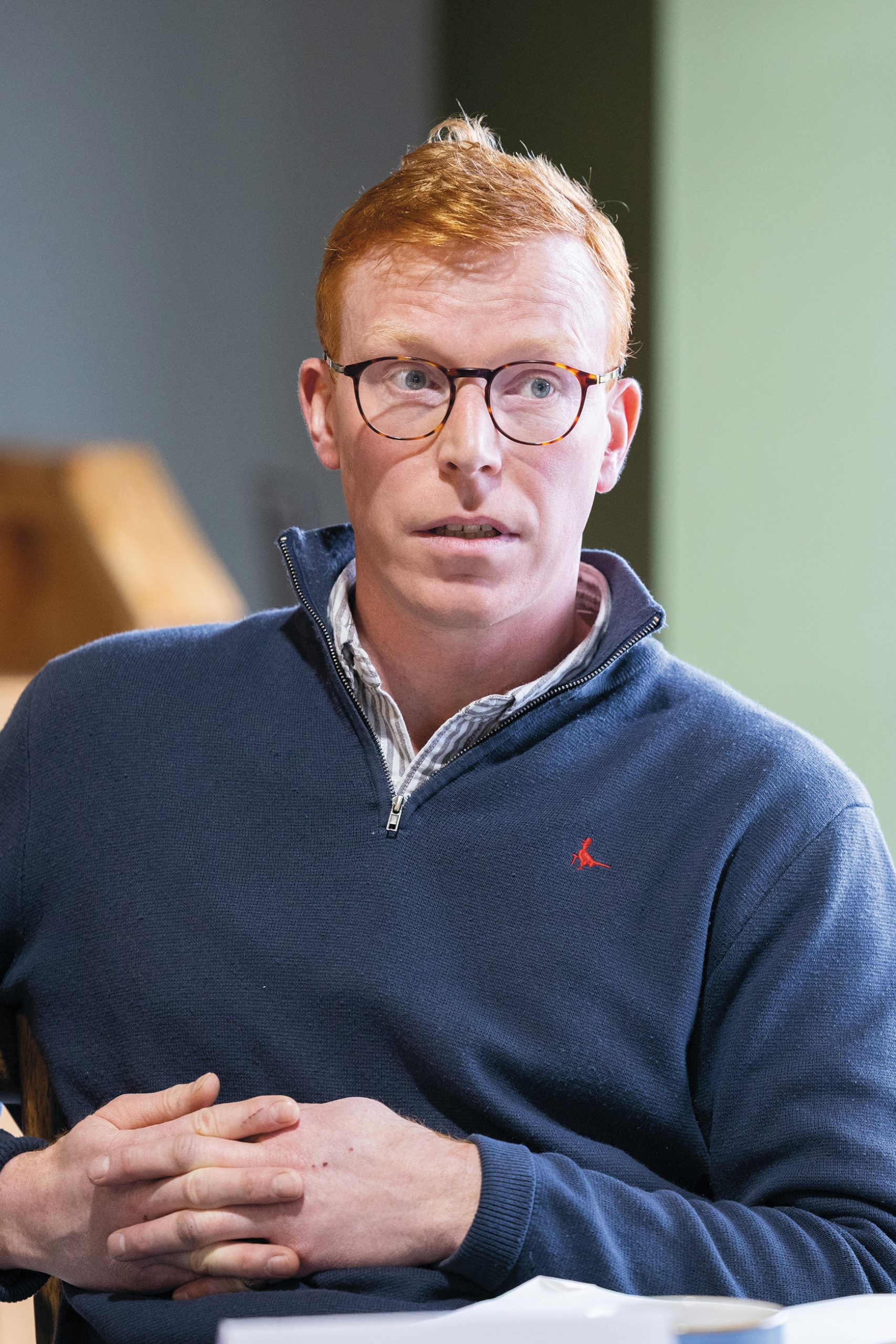
Harry Dickinson, Brocksbushes director
More recently, the business has invested in retail, hospitality and a play barn to create a more year-round operation.
Director Harry Dickinson said: “Fruit in the summer was our core business, but the rest of the year was a bit of a rollercoaster.
“We always felt we were missing something all year round, particularly for families.”
Shona Ferguson, property manager at Cramlington-headquartered Fergusons Blyth group, highlighted another form of diversification.
While the business is widely associated with trucks and logistics, she explained Fergusons has also built a substantial commercial property portfolio.
However, she added: “There are challenges around business rates and awareness of funding support.
“Many clients’ original DNA is agriculture, but diversification is taking them firmly into a commercial space; that changes the risk profile completely”
Simon Aitken
Lycetts divisional director and Newcastle office head
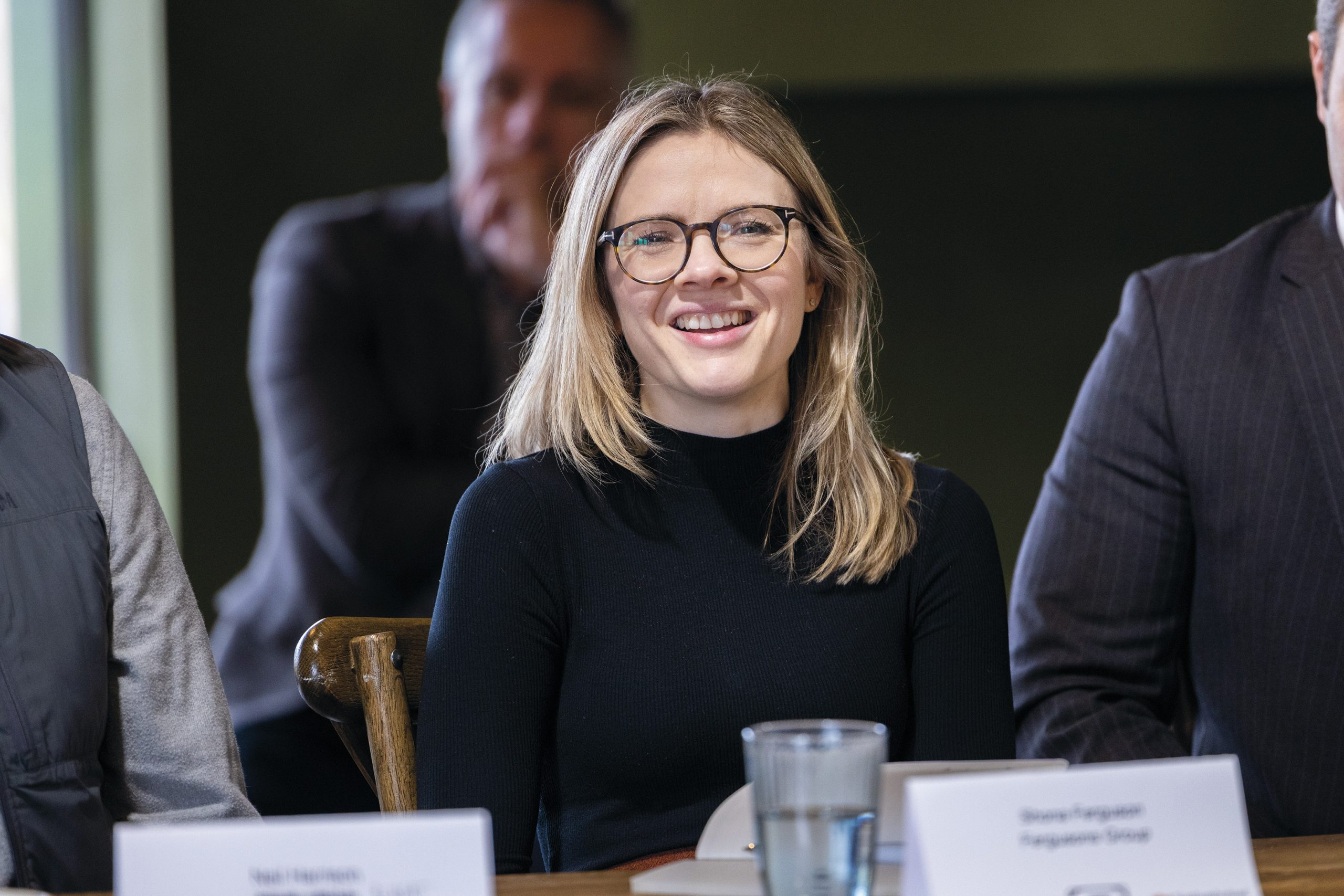
Shona Ferguson, Fergusons Blyth group property manager
“If you want to move into new areas – whether that’s tourism or other commercial uses – there are hurdles to get over.”
This point was emphasised by Elliot Taylor, partner and farm business consultant at GFW.
He said: “Around 74 per cent of farmers now report some form of diversified income.
“But in many cases, only around 17 per cent of total turnover actually comes from those activities.”
That growing complexity was echoed by Simon Aitken, divisional director and head of the Newcastle office at Lycetts.
This is an abridged version of the full roundtable discussion, which you can read by visiting N magazine’s sister publication Bdaily at www.bdaily.co.uk
May 8, 2026
- Feature
- Roundtable