Screen queen: Alison Gwynn
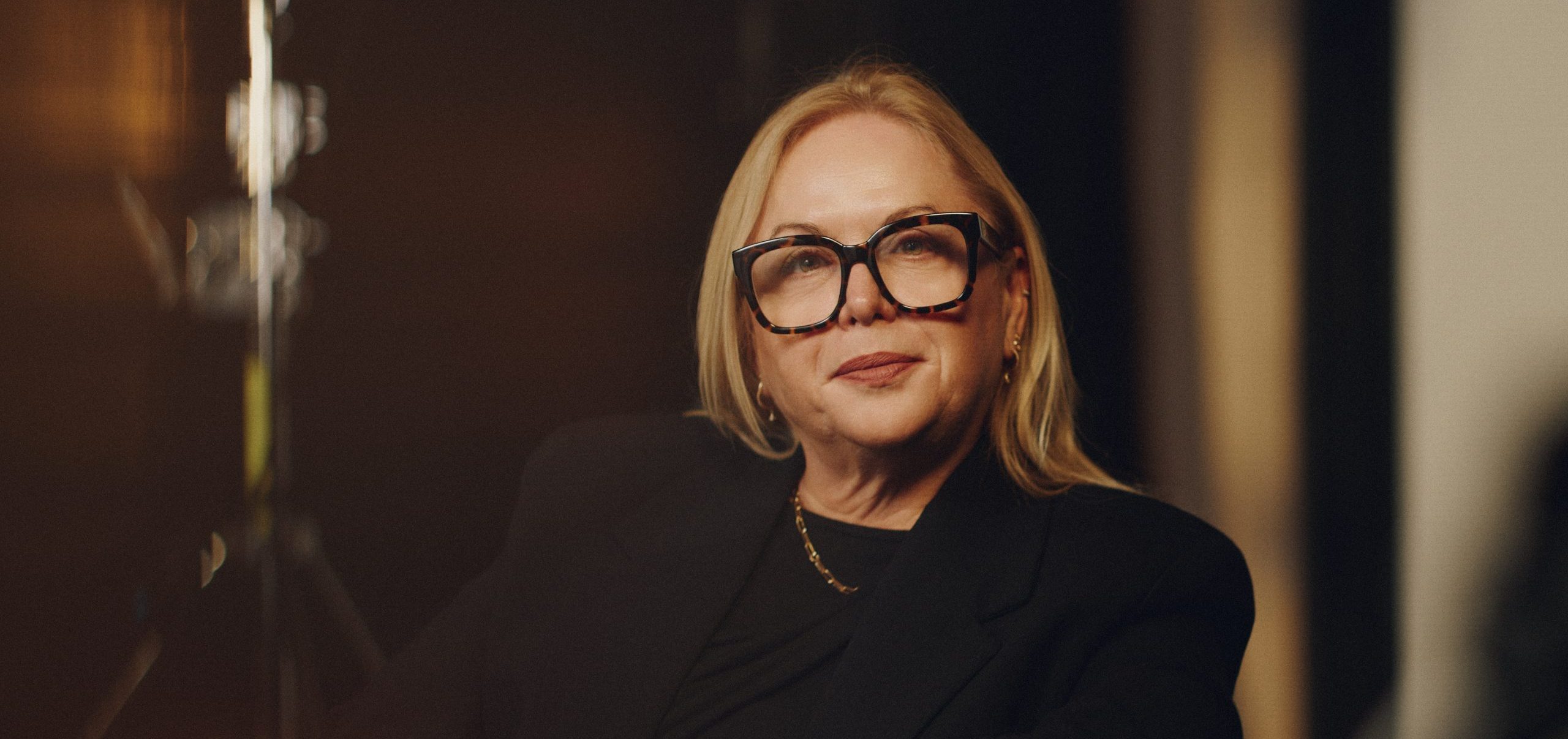
From high-profile film and television productions to ambitious new studio developments, the North East’s screen industry is gathering momentum. But behind the cameras lies a story of determination, investment and collaboration, with broadcasters, regional leaders and industry partners working together to create lasting opportunities. Here, Sian Anderson speaks to North East Screen chief executive Alison Gwynn about her unconventional journey into the industry, the partnerships driving its growth and her ambition to ensure local talent can build successful careers without leaving the region.

November 16, 2026
Words by Sian Anderson
Photography by Mike Sreenan
www.northeastscreen.org
LinkedIn: North East Screen
Two Danny Boyle-associated films.
A Sheridan Smith drama based on a true story.
A new BBC series titled The Northumbria Mysteries.
The North East’s screen industry is gathering momentum.
But while individual productions may attract attention, Alison Gwynn is far more interested in what sits behind them.
For the chief executive of North East Screen, the real story lies in the opportunities being created beyond the cameras.
She says: “The thing that motivates me is not necessarily the programmes themselves; it’s the jobs and opportunities they create for local people.”
It is a philosophy that has underpinned a remarkable period of change.
Across the North East, broadcasters, regional leaders, local authorities and industry organisations are working together to establish the region as a thriving centre for film and television production.
And while Alison has played an integral role, she emphasises the progress has been a collective effort.
When Alison joined Northern Film and Media, now North East Screen, in 2017, the region accounted for just 0.18 per cent of UK production.
Despite its wealth of creative talent and enviable locations, the North East was struggling to secure a meaningful share of an industry worth billions.
But Alison has never been one to shy away from the seemingly impossible.
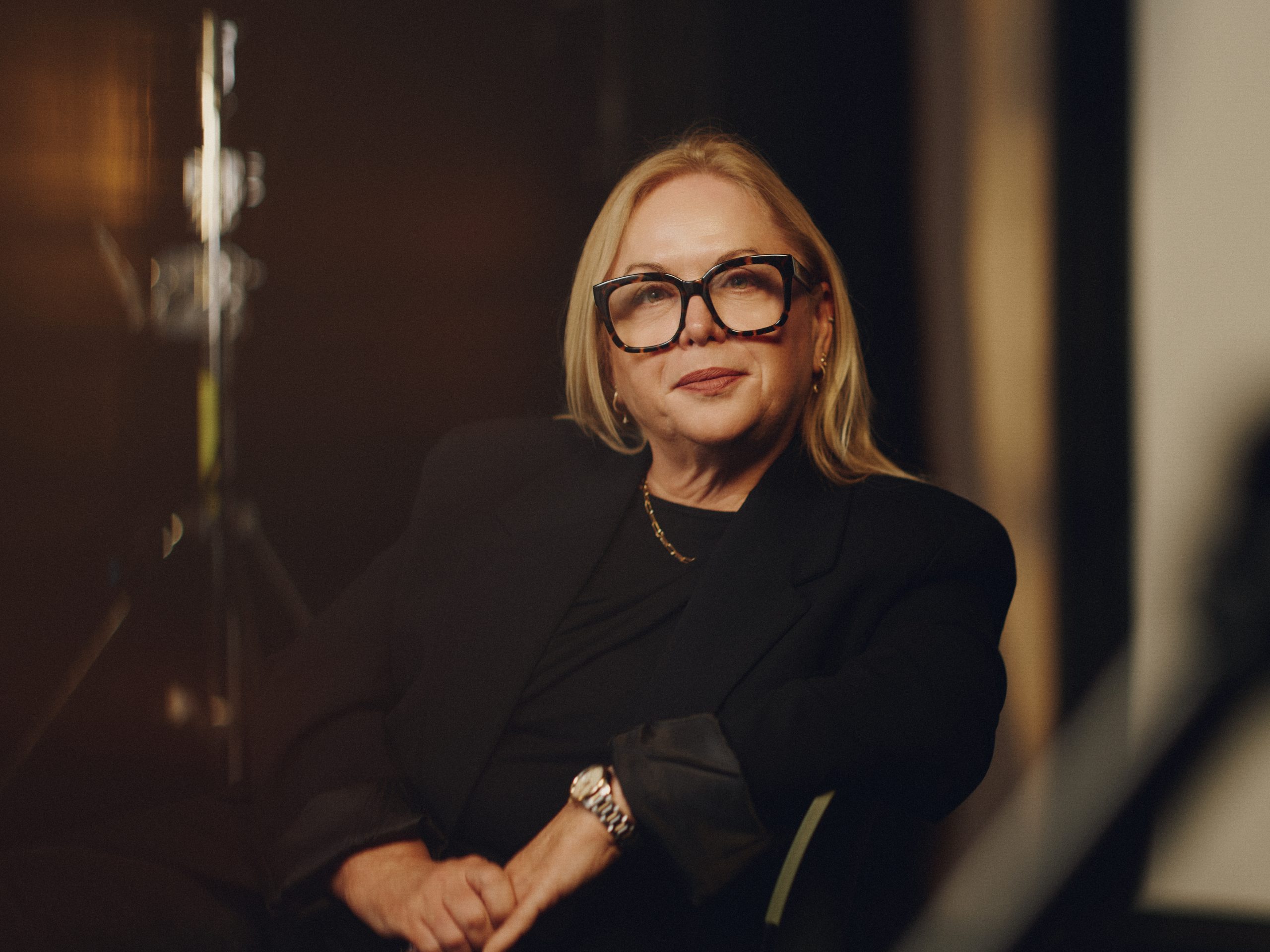
She says: “My brain tends to look at really complicated problems that nobody wants to touch with a totem pole.
“Yet I think, ‘oh that’s really interesting’.
“If somebody else looks at a problem and thinks it’s impossible, I tend to see it as a challenge worth taking on.”
Born in Jarrow, Alison’s route into the screen industry was far from conventional.
Her early career included time at Newcastle’s Centre for Life before she moved to Seven Stories, the National Centre for Children’s Books, where she spent almost 14 years helping turn an ambitious idea into an established cultural institution.
Alison says: “To spend 14 years alongside a phenomenal team of colleagues was a fantastic experience.
“It was a real team effort, and I’m incredibly proud to have been a part of it.”
Yet as she approached her late 40s, Alison began questioning what she wanted to achieve next.
Across the North East, she could see young people brimming with creativity and ambition, but facing a familiar dilemma: pursue their aspirations elsewhere or remain in a region where opportunities were limited.
She says: “There was so much talent and potential among young people in the North East, but there simply weren’t enough opportunities for them to build creative careers here.
“Too many were having to look elsewhere for work, and I wanted to help change that.”
A sudden death in her close family brought those thoughts into sharper focus.
She adds: “You get one life; I wanted to make a difference.”
So, when the opportunity arose to lead Northern Film and Media, Alison decided to take the leap.
Not everyone shared her optimism, though.
She adds: “They all said, ‘Oh, don’t do it. It can’t be done. It’s all based in London. It’s impossible.’”
But Alison was not alone in believing the North East could achieve more.
Across the region, local authorities, industry organisations and other partners recognised the opportunity to create jobs, support businesses and keep more of the economic benefits in the North East.
Productions were already choosing the region as a location, but many of those benefits were leaving with them.
Crews and suppliers were often brought in from elsewhere, while talented local professionals travelled across the country for work.
The challenge was to create an industry capable of sustaining itself.
Alison says: “It’s one thing attracting productions to the region, but it’s another building a sustainable industry around them.
“Without that, the jobs and opportunities disappear as soon as filming finishes.”
Rather than chasing short-term opportunities, North East Screen and its partners have focused on building the infrastructure needed for long-term growth.
A significant turning point came when the BBC increased its commitment to production outside London, identifying the North East as a region with considerable potential.
Its initial £25 million investment created opportunities and provided confidence that larger-scale growth was achievable.
Working alongside regional partners, including North East mayor Kim McGuinness and Tees Valley mayor Ben Houchen, North East Screen has strengthened the sector through a dedicated Film Office, skills programmes, support for local companies and the multi-million-pound North East Production Fund.
Crucially, productions supported by the fund must recruit all trainees locally, employ at least half their crew from the North East and generate £10 in regional supply chain spending for every £1 invested.
Alison says: “The BBC’s support has been hugely important, but this has always been a collective effort.
“It has taken regional leaders, local authorities, industry partners and businesses all working towards a shared ambition.”
And the results are becoming ever more visible.
Danny Boyle’s 28 Years Later and its sequel 28 Years Later: The Bone Temple have showcased the region on screen, while Sheridan Smith’s true-life drama I Fought the Law and the BBC’s The Northumbria Mysteries have demonstrated its growing credentials.
Homegrown productions such as Smoggie Queens, the Middlesbrough-set comedy created by local writer Phil Dunning, have additionally highlighted the region’s creative talent.
Alison says: “The thing that brings more joy to my heart is actually how many regional companies are now getting commissioned.”
But increased activity has also highlighted the need for facilities capable of supporting larger productions.
That challenge became apparent during 28 Years Later and its sequel.
What had initially been expected to involve several weeks of filming on Holy Island developed into a nine-month production, creating demand for facilities the North East simply did not have.
With no purpose-built studio complex available, the team turned to unconventional alternatives, including a former Nightingale Hospital and industrial premises in Washington.
The experience demonstrated both the ingenuity of those working behind the scenes and the limitations holding the region back.
Enter Crown Works Studios.
The Sunderland development has become a significant part of the North East’s screen ambitions, alongside plans to expand existing studio facilities in Hartlepool.
Originally championed by Fulwell 73, Crown Works has evolved through collaboration between Sunderland City Council, the North East Mayoral Strategic Authority, industry partners and North East Screen.
And while the original proposals were considerably larger, Alison was conscious that ambition needed to be matched by demand.
She says: “I was always a little bit anxious about going too big, too soon.”
The first phase is being developed around the needs of productions already coming to the North East, alongside the longer-running television dramas the region hopes to attract.
For Alison, the project is about far more than constructing studio space.
She says: “It’s all about building a sustainable ecosystem.
“The studios are one part of that.
“You need the workforce, the businesses, the skills and the infrastructure around them.”
Support from regional leaders and investment made possible through devolution have played a significant role in the sector’s development.
Alison believes that combination of industry commitment, political leadership and public investment has been critical.
She adds: “The BBC’s commitment gave us confidence and our first five years of delivery has shown us real growth can be achieved.
“But ambition also needs investment.
“When you bring together industry, regional leadership and local authorities around a shared vision, you can create something much bigger than any one organisation could achieve on its own.”
With planning approval secured, Crown Works is moving towards an anticipated opening in 2028.
And Alison believes the region already possesses many of the ingredients needed for success.
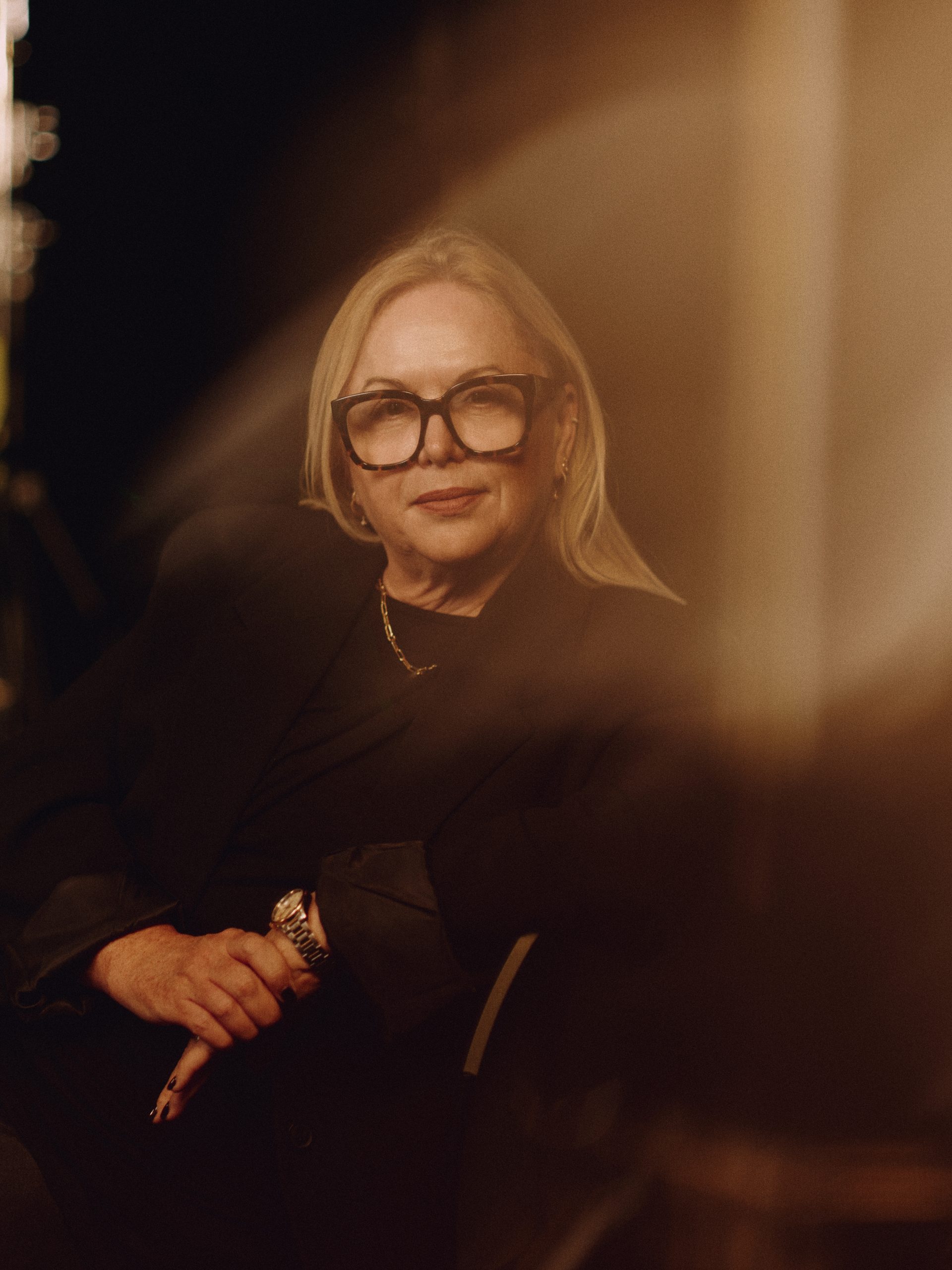
She says: “The North East has some truly spectacular locations, and the variety is incredible.
“You can go from the city to the coast in just 20 minutes.”
But spectacular scenery alone will not guarantee repeat business.
Alison adds: “It’s not just about attracting production companies to the North East.
“It’s about making sure they have a fantastic experience while they’re here.
“If we can offer talented crews, excellent value for money and a great place to work, we can give them every reason to keep coming back.”
And while a Hollywood blockbuster might generate the biggest headlines, Alison’s hopes for Crown Works and the extended Hartlepool studios are grounded in something more enduring.
She adds: “What I would like more than anything else is something really chunky and returning.”
A long-running television drama could provide regular employment for hundreds of people, sustained opportunities for regional suppliers and an invaluable training ground for the next generation.
And there are already signs the foundations are becoming stronger.
According to North East Screen’s latest figures, the sector has supported the creation of about 2000 jobs and is projected to have generated £123 million in gross value added by the end of 2026/2027.
The regional crew base has grown to more than 800 people, while local businesses are benefiting from increased activity.
But many skilled workers had never left the region permanently.
Instead, they had spent years travelling between productions elsewhere, unable to find consistent work on their doorstep.
Alison says: “We discovered that so many talented people were still living in the North East, but were travelling all over the country for work.
“Now they’re getting the opportunity to work closer to home, sleep in their own beds and enjoy the careers they love without having to leave the region.
“There’s something really special about that.”
It is a deceptively simple measure of success, but one that captures the human impact behind the investment figures.
And that progress is reflected in productions such as The Northumbria Mysteries, which Alison hails as “a win” after drawing 80 per cent of its crew from the region.
Yet she is under no illusion that the job is finished.
Alison adds: “In business terms, we’ve done our start-up phase.
“We now need to be in a growth phase.
“And then when we have the studios ready to go, we’ll be on scale up.”
Nor does she see the region’s creative potential as confined to film and television.
With its rich musical heritage, distinctive comedy, passionate sporting culture and growing screen industry, Alison believes the North East can bring those strengths together.
She says: “For me, there’s a happy place, which is a mix of screen, music, comedy and sport.
“That’s part of the DNA of the region.”
With more than a dozen dramas in the pipeline for 2027, and further announcements still under wraps, anticipation is growing.
But for Alison, the real prize is not simply the number of programmes made or the famous faces appearing on screen.
It is creating an industry where young people can build careers without leaving home, local businesses can grow and the North East can tell its own stories to audiences around the world.
Having helped guide the organisation through considerable change, Alison has a clear picture of what the next five years should bring.
She says: “My hope is that Crown Works and the Hartlepool studios will be thriving, with young people across the North East recognising they can build successful careers, create world-class content and run their own businesses right here in the region.
“And by then, we’ll already be looking ahead to the next phase of development.”
For Alison, who took on a challenge others insisted could not be done, the progress made through a shared regional ambition is proof of what can be achieved.
And with her sights already set on the next chapter, there is still plenty more of the story to tell.
November 16, 2026
- Feature
- On the cover